SciEdScrumming
a student focused education consulting and tutoring organization providing consulting services, including developing new programming for students to expand individual interests and build on education. The tutoring portion of the organization is focused particularly on the skills that we assume students are taught or are learning, but in reality, often are not being acquired due to the structure of today’s educational systems.
Skills for Student Success is a program focusing on ensuring that young teens are guided through developing systems which support the skills Heather observed lacking in her classrooms. These skills include organization, task tracking and scheduling, critical thinking and notetaking. Building on the Agile Scrum Framework, Heather works with students to develop future ready skills, improving their confidence, increasing engagement and supporting their current academic and future success.


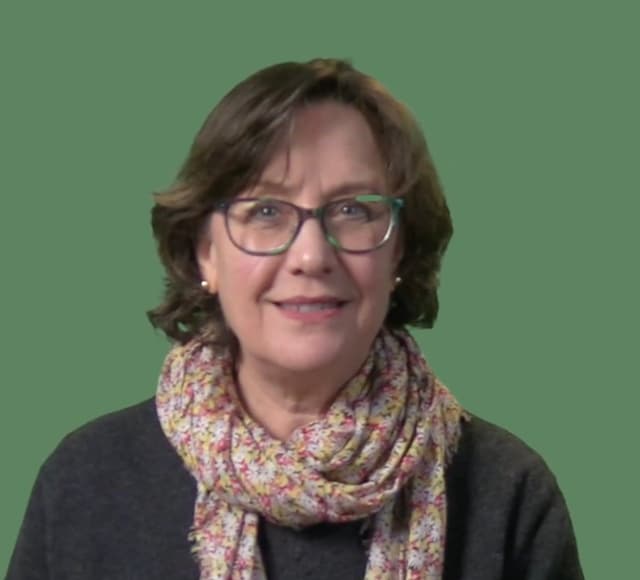
Heather Cowap, MS, MEd has spent two decades in middle and high school science classrooms working with multiple grade levels and subject areas. Inspired by the goal of enticing students to be motivated and engaged in content, Heather has used Universal Design for Learning (UDL) as a pedagogical structure to find and implement a number of ways for students to have choice in demonstrating knowledge of content. UDL encourages them to select from a wide variety of both technical tools and alternative ways of expression. She discovered that using technology in the classroom increased students’ mastery in learning and increased their engagement in the topics covered. Discovering a skills gap in her students in managing their choices and learning group goals, Heather began using Scrum, an Agile framework for team and project management. By combining these two methods her students are freed to embrace personalized learning goals within the context of her state standards for science. This increase in control and choice for students also increased engagement, providing a skills framework increased confidence, and students exhibited less anxiety or apathy in her classroom.
One further inovation Heather brought to her Biology class was using a problem-based learning viewpoint of various diseases – infectious, chronic, and inherited, based on the Tufts Great Disease’s curriculum. Using this approach has connected the “why” and the “what” aspects of studying biology for her students. Student engagement, as well as their ability to retain and apply the concepts of biological systems and structures, has greatly increased in recent years. Student state test results provide evidence of a move from 0% advanced, 100% proficient to 5% advanced and 95% proficient outcomes (“regular” level courses).
Heather holds master’s degrees from Tufts Friedman School of Nutrition’s Frances Stern Combined Internship and Master Degree Program, and Fitchburg State University’s Masters in Curriculum and Teaching. As well as bachelor’s degrees in economics concentrating in international relations and nutrition (metabolic biochemistry).